The contemporary approach to health and wellness transcends mere physical fitness and extends into a multi-faceted domain that encompasses all aspects of well-being. Understanding the seven dimensions of health and wellness is essential for a holistic approach to personal and community health. This comprehensive examination delves into the interconnected dimensions, providing practical insights into how these can be integrated into daily life.
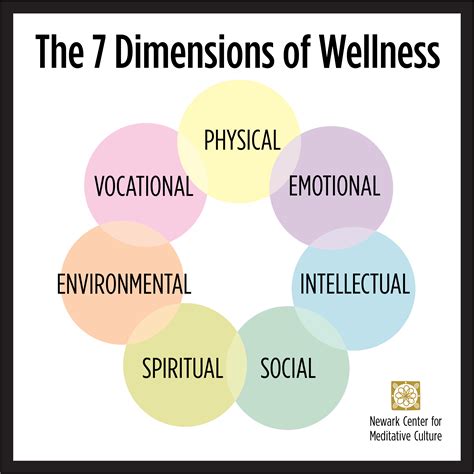
As health experts, it's critical to approach wellness from a multidimensional perspective. The seven dimensions—physical, emotional, intellectual, social, spiritual, occupational, and environmental—offer a framework for a balanced and fulfilling life. This framework is not just an academic theory but an actionable blueprint for improving overall quality of life.
Key Insights
- Adopting a holistic approach to wellness leads to better individual and community health outcomes.
- Understanding and balancing the seven dimensions can help mitigate common health issues that often stem from neglecting one or more areas.
- Implementing practical strategies for maintaining wellness across all dimensions can significantly enhance mental, emotional, and physical health.
Physical Dimension
The physical dimension of health involves maintaining a body that can perform optimally through regular exercise, balanced nutrition, and sufficient rest. This dimension addresses the fundamental needs of our bodies and is supported by the latest research, which indicates that physical activity not only improves physical health but also bolsters mental well-being by releasing endorphins, reducing stress, and enhancing cognitive functions.
Emotional Dimension
The emotional dimension focuses on understanding and managing our feelings and moods. This aspect is often overlooked but is vital for maintaining mental health. Strategies such as mindfulness, meditation, and therapy can help individuals navigate emotional challenges effectively. By fostering emotional resilience, we are better equipped to cope with life’s stresses and to maintain a positive outlook.
Intellectual Dimension
Intellectual health involves engaging the mind through learning, problem-solving, and critical thinking. It’s about stimulating the brain to keep it sharp and flexible. Activities such as reading, playing cognitive games, or engaging in lifelong learning not only enhance intellectual capabilities but also contribute to overall satisfaction and well-being.
Social Dimension
The social dimension encompasses the quality of our interactions and relationships. Strong social connections are a cornerstone of well-being, providing emotional support and contributing to a sense of belonging. Cultivating healthy relationships through effective communication and empathy not only enriches our social lives but also provides a buffer against stress and depression.
Spiritual Dimension
While the spiritual dimension can vary greatly between individuals, it often involves finding a sense of purpose and connection, whether through religion, nature, personal values, or community. Engaging in spiritual practices can provide individuals with a sense of meaning and fulfillment, enhancing overall well-being.
Occupational Dimension
Occupational health is about finding balance between work and personal life. It emphasizes job satisfaction, a supportive work environment, and opportunities for personal growth within the workplace. When individuals feel valued and engaged in their work, they often report higher levels of happiness and lower levels of burnout.
Environmental Dimension
The environmental dimension pertains to the physical surroundings in which we live, work, and play. This includes everything from air and water quality to urban planning and access to green spaces. A healthy environment supports physical health and enhances our ability to lead balanced lives.
How can one begin to implement these dimensions in daily life?
Start with small, manageable changes. Incorporate physical activity, such as short daily walks, into your routine. Practice mindfulness or meditation to enhance emotional well-being. Engage in learning new skills or hobbies to stimulate your intellect. Nurture relationships through regular communication and support. Seek out environments that promote well-being and balance work and leisure time effectively.
What role does stress play in neglecting any of these dimensions?
Chronic stress often leads to neglect of multiple dimensions simultaneously. When overwhelmed, it’s common to prioritize immediate needs like work or physical health while neglecting emotional, intellectual, social, spiritual, and environmental aspects. Recognizing and managing stress through appropriate techniques can help maintain balance across all dimensions.
In conclusion, embracing the seven dimensions of health and wellness is not just about achieving physical fitness but fostering a comprehensive, balanced, and enriching life. By integrating these dimensions into our daily routines and being mindful of their interconnections, we can cultivate a state of holistic well-being that enriches both individual lives and broader communities.