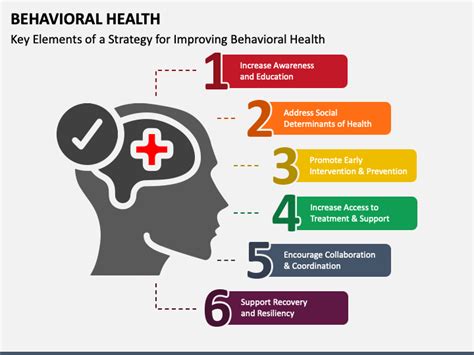
Behavioral health refers to the psychological and social aspects that affect how individuals think, feel, and behave. It encompasses mental health, lifestyle, and behavior patterns, influencing how people handle stress, relate to others, and make choices. In contrast to purely clinical psychological dimensions, behavioral health covers a wide range of elements, including diet, exercise, sleep, and addiction. This multidimensional approach makes it a vital component in overall health strategies.
Key Insights
- Behavioral health is integral to mental well-being, linking lifestyle choices to psychological health.
- Key technical consideration includes the importance of integrating behavioral health with primary care for holistic treatment.
- Actionable recommendation: Implement multidisciplinary programs that combine medical, psychological, and social interventions.
The increasing importance of behavioral health in primary care settings is undeniable. Traditional health care has long focused on diagnosing and treating acute conditions and chronic diseases. However, contemporary medical research underscores the necessity of integrating behavioral health aspects to provide holistic care. This approach recognizes the role of lifestyle factors such as nutrition, physical activity, and sleep on mental health. For example, evidence shows that regular physical exercise can significantly reduce symptoms of anxiety and depression.
In parallel, behavioral health encompasses the treatment of mental disorders through therapeutic interventions and counseling. This dimension requires a deep understanding of psychological principles and the ability to apply therapeutic techniques effectively. Real-world applications are abundant: Cognitive Behavioral Therapy (CBT) is a well-established treatment for conditions such as depression and anxiety, demonstrating the clinical relevance of behavioral interventions. This evidence-based practice aims to change maladaptive thinking patterns, thereby improving emotional regulation and behavior.
Integration of Behavioral Health and Primary Care
The intersection of behavioral health and primary care marks a paradigm shift in health care delivery. The integration of these two domains has shown significant benefits in patient outcomes. According to recent studies, patients receiving coordinated care that includes behavioral health components show better management of chronic conditions, reduced hospitalizations, and improved quality of life. This is primarily due to a more comprehensive understanding of the patient’s complete health picture, including mental and physical health aspects.Implementing integrated care models involves collaboration between primary care physicians and mental health professionals. Primary care settings provide an ideal environment for early detection and management of behavioral health issues. For instance, routine screenings for depression and anxiety in primary care clinics can lead to timely interventions that prevent the escalation of these conditions. Such integrated care approaches ensure that patients receive timely, coordinated, and patient-centered care.
The Role of Preventive Behavioral Health
Preventive behavioral health focuses on strategies aimed at preventing mental health issues before they develop. This proactive approach is rooted in the belief that early intervention is key to preventing more serious mental health conditions. Preventive measures include promoting healthy lifestyle choices, offering mental health education, and implementing stress management programs.For example, workplace wellness programs that include stress reduction and mindfulness training have been shown to reduce incidences of burnout and depression among employees. Schools implementing social-emotional learning (SEL) programs can better equip students to handle stress, build resilience, and develop healthy interpersonal relationships. By fostering environments that support mental well-being, preventive behavioral health strategies play a crucial role in creating healthier populations.
What is the difference between behavioral health and mental health?
While both terms are closely related, behavioral health includes a broader range of factors, such as lifestyle choices and environmental influences, along with mental well-being. Mental health specifically focuses on psychological health and disorders.
How can behavioral health be integrated into primary care?
Integration can be achieved through collaborative care models where primary care providers work alongside mental health professionals, offering comprehensive treatment plans that address both physical and mental health needs.
The increasing focus on behavioral health signifies a shift towards a more inclusive understanding of health that acknowledges the interplay between mental, emotional, and physical well-being. As the evidence for the benefits of integrated care and preventive strategies continues to grow, the importance of incorporating behavioral health into all aspects of health care cannot be overstated. By doing so, we can promote healthier, more resilient individuals and communities.