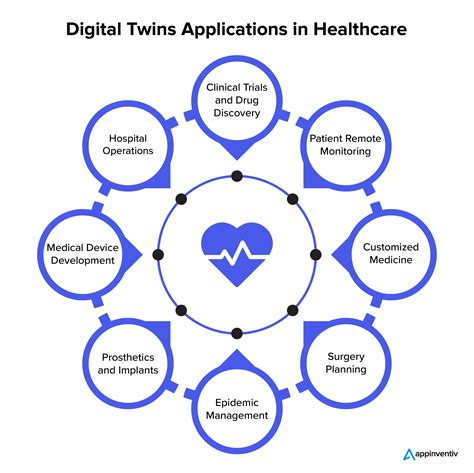
Understanding the components of a digital twin in healthcare is essential for leveraging this technology effectively. Digital twins are increasingly becoming critical tools for enhancing patient care, streamlining medical procedures, and conducting research. This guide will walk you through the various components, providing actionable advice, real-world examples, and practical solutions to address common pain points.
In healthcare, a digital twin represents a virtual model of a physical entity, in this case, a patient or even an entire clinical process. It uses data from various sources to create a detailed, real-time representation that can be used for predictive analysis, simulations, and improving operational efficiency. This guide will help you understand the critical components of a digital twin, offering practical insights and solutions to implement them effectively.
Identifying Key Components
To start, let’s identify the key components of a digital twin in healthcare:
- Data Collection: The foundation of a digital twin is the data collected from various sources such as medical devices, electronic health records (EHR), and patient-reported outcomes. Accurate and comprehensive data collection is crucial for creating an effective digital twin.
- Data Integration: Integrating data from different sources and formats is essential for creating a cohesive digital twin. This step involves ensuring that data from various healthcare systems can be unified and analyzed together.
- Modeling: Once the data is collected and integrated, it needs to be modeled. This involves creating algorithms and simulations that represent the patient or clinical process accurately.
Step-by-Step Guide to Building a Digital Twin in Healthcare
Building a digital twin in healthcare is a complex process that requires careful planning and execution. Here’s a step-by-step guide to help you navigate this process effectively.
Step 1: Data Collection
The first step in creating a digital twin is to gather accurate and comprehensive data.
- Identify Data Sources: Determine the data sources such as EHR systems, wearable devices, and lab results. Each source provides unique insights into patient health and clinical processes.
- Ensure Data Quality: Data integrity is crucial. Implement processes to ensure the data collected is accurate, up-to-date, and relevant.
- Automate Data Collection: Use automation tools to streamline data collection. This can help reduce human error and ensure consistent data flow.
For example, a hospital may integrate data from patient monitoring systems, lab information systems, and patient-reported outcome measures to create a holistic view of a patient’s health status.
Step 2: Data Integration
Integrating data from diverse sources is essential to create a cohesive digital twin.
- Data Standardization: Standardize data formats to ensure compatibility. This may involve converting data into a common format or using data integration platforms that can handle different data types.
- Use APIs: Application Programming Interfaces (APIs) can facilitate the seamless integration of data from different sources.
- Data Governance: Implement robust data governance policies to ensure data integrity, security, and compliance with regulations.
For instance, a healthcare provider might use an API to connect patient data from various departments and create a unified patient profile.
Step 3: Modeling
Creating a model that accurately represents the patient or clinical process is the next crucial step.
- Define Objectives: Clearly define the objectives of the digital twin. Are you aiming to predict patient outcomes, simulate surgical procedures, or improve patient monitoring?
- Choose Modeling Techniques: Select appropriate modeling techniques such as machine learning algorithms, simulation models, or artificial intelligence.
- Validate the Model: Validate the model using historical data and real-world outcomes to ensure its accuracy and reliability.
For example, a hospital might use predictive analytics to model patient outcomes based on historical data, enabling proactive interventions.
Step 4: Simulation and Analysis
Once the model is built, use it to simulate different scenarios and analyze outcomes.
- Run Simulations: Use the model to run simulations of different clinical scenarios. This can help predict patient outcomes and identify potential areas for improvement.
- Analyze Results: Analyze the results of the simulations to gain insights and make data-driven decisions.
- Iterate: Continuously refine the model based on new data and insights. This iterative process helps improve the accuracy and effectiveness of the digital twin.
A healthcare facility might use simulation to predict the outcomes of different treatment plans, allowing doctors to choose the most effective options for patients.
Quick Reference
Quick Reference
- Immediate Action Item: Implement a robust data collection process to gather accurate and comprehensive data from various sources.
- Essential Tip: Use API integration to streamline the data integration process, ensuring compatibility and reducing errors.
- Common Mistake to Avoid: Neglecting data governance policies can lead to data integrity issues and non-compliance with regulations.
Practical FAQ
What are the benefits of using a digital twin in healthcare?
The benefits of using a digital twin in healthcare are numerous. Here are some key advantages:
- Enhanced Patient Care: Digital twins can provide a more accurate and personalized view of patient health, leading to better care and outcomes.
- Operational Efficiency: By simulating different scenarios, healthcare providers can streamline operations, reduce costs, and improve efficiency.
- Predictive Analytics: Digital twins enable predictive analytics, allowing healthcare providers to anticipate patient needs and outcomes.
- Research and Development: Digital twins can facilitate research by providing a virtual environment for testing new treatments and interventions.
By following these guidelines and leveraging the insights provided, you can build a robust digital twin that enhances patient care and operational efficiency in healthcare settings.
Advanced Implementation Tips
For those looking to take their digital twin implementation to the next level, consider these advanced tips:
- Leverage AI and Machine Learning: Incorporate AI and machine learning to enhance the accuracy and predictive power of your digital twin models.
- Collaborate with Experts: Work with data scientists, healthcare experts, and IT specialists to ensure the digital twin aligns with clinical and operational goals.
- Focus on Scalability: Ensure that the digital twin infrastructure is scalable to accommodate future growth and additional data sources.
- Regular Updates: Regularly update the digital twin with new data to maintain accuracy and relevance.
Following this comprehensive guide will help you effectively implement and utilize digital twins in healthcare, providing real-world benefits and solving common pain points associated with patient care and operational efficiency.