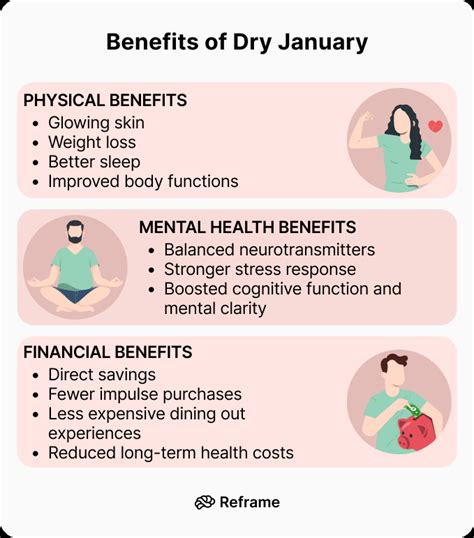
Embarking on a Dry January challenge can be an empowering and enlightening way to boost your health and well-being. It’s not just about abstaining from alcohol; it’s an opportunity to reset your body and mind, re-energize your lifestyle, and gain insights into your relationship with drinking. If you’re considering Dry January or already planning to participate, here’s a comprehensive guide to help you navigate this transformative period.
By committing to a month without alcohol, you're making a conscious choice that could lead to numerous health benefits. From improved physical health to enhanced mental clarity, Dry January can be a powerful catalyst for positive change. This guide aims to provide step-by-step guidance, actionable advice, and real-world examples to help you tackle this challenge successfully.
Why Choose Dry January?
Choosing to go Dry January can address multiple user pain points. Often, people drink alcohol out of habit, boredom, or social pressure, without really contemplating the health impacts. Here’s why you should consider this beneficial challenge:
- Improved Physical Health: Alcohol can have negative effects on your body, including liver damage, increased risk of certain cancers, and higher blood pressure. Abstaining for a month can give your liver a break, potentially improve sleep quality, and reduce the risk of hangovers.
- Enhanced Mental Clarity: Alcohol is a depressant, and cutting it out can lead to more stable mood levels and improved cognitive functions.
- Financial Savings: Alcohol is often an unplanned expense, and eliminating it can lead to significant savings that can be redirected towards other health or personal goals.
Quick Reference
Quick Reference
- Immediate action item: Identify all triggers that lead to drinking and develop alternatives.
- Essential tip: Replace alcoholic beverages with healthier options like herbal tea, sparkling water, or fresh juices.
- Common mistake to avoid: Don't fall back into old drinking habits after you've already started the month. Plan ahead and prepare for social situations that might tempt you.
Step-by-Step Guide to Dry January
Preparation and Mindset
The success of your Dry January journey begins well before you start the month. Preparation is key to staying on track and overcoming potential hurdles.
- Start by setting clear goals: Define what you hope to achieve with Dry January, whether it’s improved health, better financial management, or simply understanding your relationship with alcohol.
- Consider keeping a journal: Write down your thoughts, feelings, and experiences throughout the month. This can provide valuable insights into your drinking habits and help you track progress.
- Talk to a friend or family member about your commitment. Having someone to share your journey with can provide support and encouragement.
Managing Cravings and Triggers
Cravings and triggers are common challenges during Dry January. Here’s how to manage them effectively:
- Stay hydrated: Often, people confuse thirst with alcohol cravings. Drinking plenty of water can help curb these cravings.
- Engage in physical activity: Exercise releases endorphins, which can help reduce cravings and improve mood.
- Practice mindfulness: Techniques like meditation, deep breathing, or yoga can help manage stress and cravings.
- Identify and avoid triggers: Make a list of situations, people, or emotions that trigger your desire to drink. Develop strategies to avoid these triggers or find healthier ways to cope with them.
Healthy Alternatives to Alcohol
Finding healthy alternatives to alcohol can help satisfy social cravings and provide other benefits. Here are some suggestions:
- Herbal teas: Herbal teas offer a range of flavors without the alcohol content. They can be particularly calming and soothing.
- Sparkling water: Add a slice of citrus or a sprig of mint for a refreshing twist.
- Fresh juices: Homemade juices from fruits and vegetables provide vitamins and hydration.
- Non-alcoholic cocktails: There are many creative ways to make delicious drinks without alcohol. Try a virgin mojito, a spicy tomato juice, or a berry mocktail.
Social Situations and Celebrations
Navigating social situations and celebrations can be challenging, but it’s manageable with the right strategies:
- Be honest yet diplomatic: When declining an offer of alcohol, you can say something like, "I’m actually focusing on a health challenge this month. Thanks for understanding!"
- Plan ahead: If you know you’ll be attending events where alcohol is abundant, plan ahead with healthy alternatives like bringing your own drink or planning to leave early.
- Engage in the conversation: Get involved in activities and conversations that don’t revolve around alcohol. This can help you stay engaged and avoid feeling left out.
Tracking Progress and Reflecting
Tracking your progress and reflecting on your journey can help reinforce your commitment and reveal what works best for you:
- Use an app or journal: There are many apps available to help track your progress. Alternatively, you can simply use a notebook to jot down daily experiences and reflections.
- Celebrate milestones: Set small goals for each week and celebrate when you reach them. This can boost motivation and reinforce positive habits.
- Reflect on your feelings: At the end of each day, write down how you felt. This can provide insight into how abstaining from alcohol is impacting your mood and health.
Practical FAQ
How do I handle social events where alcohol is present?
Handling social events where alcohol is present requires some planning and confidence. Here are some actionable steps you can take:
- Prepare in advance: Plan what you’ll say when someone offers you a drink. You might say, “I’m choosing to go without alcohol this month for health reasons. Thanks for understanding.”
- Bring a non-alcoholic drink: Having your own drink at social events can help you stick to your commitment without feeling left out.
- Engage in activities: Distract yourself with activities that don’t involve alcohol, like a fun game or conversation.
- Communicate with friends: Let your close friends know your challenge. They can support you and help you navigate tricky social situations.
What should I do if I slip up and have a drink?
Slip-ups can happen, and it’s important to handle them constructively:
- Acknowledge it: Recognize that having a drink doesn’t mean your entire challenge is wasted.
- Reflect and learn: Consider what led to the slip-up and how you can avoid it in the future. This can help you stay on track.
- Get back on track: Don’t be too hard on yourself. Simply make a mental note of the incident and refocus on your goals for the remainder of the month.
- Seek support: Reach out to a friend or support group if you need help getting back on track.
Best Practices for Long-Term Success
Dry January is a great starting point, but integrating healthier habits beyond the month can be even more beneficial. Here are some best practices to consider:
- Maintain a balanced lifestyle: Ensure you’re getting enough exercise, sleep, and nutritious meals to support overall well-being.
- Set long-term goals: