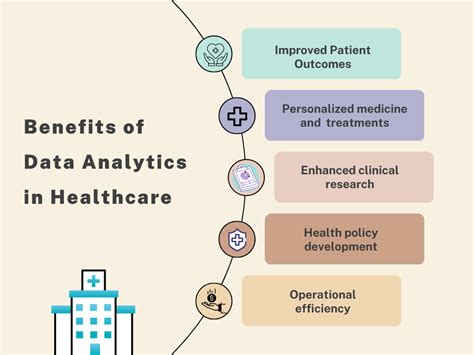
Navigating the complex world of healthcare data analytics can be challenging for healthcare companies. With the rapid influx of data from patient records, insurance claims, clinical trials, and more, the opportunities to harness this wealth of information for improving patient care and operational efficiency are immense. However, turning data into actionable insights requires strategic planning, technical expertise, and a thorough understanding of both the data and the healthcare industry’s specific needs.
In this guide, we aim to provide healthcare companies with a comprehensive, step-by-step roadmap to effectively utilize data analytics. Our goal is to address common pain points, offer practical solutions, and guide you through actionable steps that transform raw data into valuable insights.
Understanding Your Data Analytics Needs
Before diving into data analytics, it’s essential to clearly define your needs and objectives. This involves identifying what specific challenges you want data analytics to solve—whether it’s improving patient outcomes, reducing operational costs, or enhancing compliance with regulatory standards.
By establishing precise goals, you can better select the appropriate analytical tools and methodologies, ensuring that your efforts are focused and productive.
Quick Reference
Quick Reference
- Immediate action item: Conduct a thorough needs assessment to determine specific analytics goals.
- Essential tip: Involve key stakeholders from different departments to gather diverse perspectives and insights.
- Common mistake to avoid: Jumping straight into complex analytics without first establishing clear objectives can lead to misguided efforts and wasted resources.
Data Collection and Management
The first step in any data analytics project is to ensure that you have access to high-quality, comprehensive data. This involves setting up robust data collection systems and managing data governance effectively.
Effective data management is crucial for ensuring data integrity, security, and compliance with regulations such as HIPAA.
Here’s how to get started:
Establishing a Robust Data Collection System
To ensure accurate and comprehensive data collection, you must invest in reliable systems and processes. Here’s how:
- Invest in modern technology: Use Electronic Health Records (EHR) systems that support robust data collection and storage. Ensure these systems are integrated with other healthcare tools to capture data seamlessly.
- Standardize data entry: Develop clear guidelines for data entry to reduce errors and ensure consistency. This includes standardizing formats for patient demographics, treatment protocols, and billing information.
- Implement data validation processes: Regularly review and validate data entries to spot and correct inaccuracies promptly.
Effective Data Governance
Good data governance ensures that your data is secure, accurate, and compliant with regulations. Here’s how to build an effective data governance framework:
- Define data ownership: Identify who is responsible for different data sets within your organization. Clear ownership helps in accountability and management.
- Set data policies: Create policies that outline how data is collected, stored, accessed, and shared. Ensure these policies comply with relevant regulations, such as HIPAA in the U.S.
- Regular audits: Conduct regular audits to ensure data is being managed according to established policies and standards.
Choosing the Right Analytics Tools
Selecting the appropriate analytics tools is crucial for effectively turning your data into actionable insights. With so many options available, it’s essential to choose tools that align with your specific needs and capabilities.
Here’s how to choose the right tools:
Assessing Your Requirements
Before selecting any analytics tool, you need to thoroughly assess your requirements. Here are some key factors to consider:
- Data complexity: Assess the complexity of the data you will be analyzing. Simple spreadsheets may suffice for straightforward analyses, while more complex datasets might require advanced tools like SQL databases or machine learning platforms.
- Scalability: Consider whether the tool can scale as your data grows. This is particularly important for larger healthcare organizations.
- User-friendliness: Choose tools that are user-friendly for your team, even if they have limited technical expertise. User-friendly interfaces can increase the rate of adoption and usage.
Popular Analytics Tools for Healthcare
There are several analytics tools widely used in the healthcare sector. Here are a few to consider:
- Tableau: Known for its powerful data visualization capabilities, Tableau can transform complex data into easy-to-understand visual reports.
- SAS: SAS offers a range of analytics tools that are highly effective in handling large datasets and providing predictive insights.
- IBM Watson Analytics: This tool leverages AI to uncover patterns and insights that traditional analytics might miss.
- Microsoft Power BI: Power BI integrates well with other Microsoft tools and provides comprehensive data visualization and reporting capabilities.
Implementing Advanced Analytics Techniques
Once you have set up your data collection and governance, and chosen the right tools, it’s time to dive deeper into advanced analytics techniques to extract meaningful insights from your data.
Here’s how to implement advanced analytics:
Leveraging Predictive Analytics
Predictive analytics uses historical data to predict future outcomes. It’s a powerful technique for enhancing patient care and optimizing operations.
- Identify key metrics: Determine which patient outcomes and operational metrics are most relevant to your goals. This might include patient readmission rates, treatment success rates, or operational efficiency metrics.
- Build predictive models: Use statistical methods and machine learning algorithms to create models that predict future trends based on historical data. For example, you can develop models to predict which patients are at high risk of readmission.
- Test and refine: Continuously test and refine your models to improve their accuracy and relevance.
Utilizing Machine Learning for Personalized Medicine
Machine learning can help tailor treatments to individual patients, enhancing the efficacy of personalized medicine.
- Collect relevant data: Gather comprehensive data on patient demographics, medical history, genetic information, and treatment responses.
- Choose the right algorithms: Select machine learning algorithms that are suitable for personalized medicine, such as decision trees, neural networks, or support vector machines.
- Train and validate models: Use historical data to train your models and validate their accuracy. This involves splitting your data into training and testing sets to ensure the models generalize well to new data.
Conducting Epidemiological Studies
Analytics can help conduct epidemiological studies, providing valuable insights into disease patterns and public health trends.
- Design study protocols: Clearly outline your study objectives, population, and data sources. This might include collaborating with public health agencies to access broader datasets.
- Analyze trends: Use statistical methods to identify patterns and trends in the data. This could include examining how a specific disease spreads geographically or identifying risk factors associated with the disease.
- Publish findings: Share your findings with the public health community to contribute to broader knowledge and inform policy decisions.
Ensuring Compliance and Security
With the sensitive nature of healthcare data, ensuring compliance with regulations and maintaining data security is paramount.
Here’s how to stay compliant and secure:
Understanding Regulatory Requirements
Staying compliant with regulations such as HIPAA (Health Insurance Portability and Accountability Act) is crucial. Here’s what you need to know:
- Know the requirements: Familiarize yourself with the specific regulations that apply to your organization, such as HIPAA, GDPR (General Data Protection Regulation), etc.
- Implement necessary safeguards: Develop and implement policies and procedures to ensure compliance with these regulations. This includes obtaining patient consent for data use, maintaining confidentiality, and ensuring data security.
Data Security Measures
Protecting your data from unauthorized access and breaches is critical. Here’s how to enhance your data security:
- Encrypt sensitive data: Use