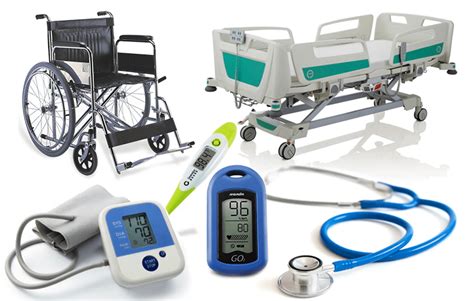
The world of home health products can often seem overwhelming, especially if you’re new to this domain or looking to enhance your current setup. This guide aims to demystify the landscape of home health products, providing you with a step-by-step approach to selecting, integrating, and maximizing these items to better support your health and wellbeing.
Understanding Your Needs: Identifying Your Health Requirements
Before diving into the myriad of home health products available, it’s crucial to understand your specific health needs. This process will enable you to make informed decisions tailored to your unique circumstances.
Start by reflecting on your daily routines, health conditions, and any activities you engage in frequently. Are you managing chronic conditions such as diabetes, hypertension, or arthritis? Do you engage in regular physical activities or need assistive devices? Identifying these aspects will significantly narrow down the types of home health products that would benefit you the most.
Consider the following self-assessment questions to better understand your needs:
- Do you need regular monitoring of vital signs like blood pressure, glucose levels, or oxygen saturation?
- Are there mobility aids you could benefit from, such as walkers, canes, or ergonomic furniture?
- Do you require sleep aids or devices to improve your sleep quality?
Once you have a clear idea of what you need, the selection process becomes more manageable.
Quick Reference
Quick Reference
- Immediate action item: List your specific health needs and daily routines to identify the types of home health products that would be beneficial.
- Essential tip: Consult with healthcare providers to ensure that the selected products align with your medical advice and requirements.
- Common mistake to avoid: Overlooking the necessity for product reviews and comparisons. Always check reviews and compare features before making a purchase.
How to Choose the Right Blood Pressure Monitor
Selecting the right blood pressure monitor is crucial for anyone managing hypertension or any other condition requiring regular blood pressure checks. Here’s a detailed guide on how to choose the best monitor for your needs.
When choosing a blood pressure monitor, consider the following aspects:
Types of Blood Pressure Monitors
There are primarily two types of blood pressure monitors:
- Arm Cuff (Upper Arm) Monitors: Considered to be the most accurate type for home use. These are typically more expensive but offer the most precise readings.
- Wrist Monitors: More portable and affordable, but may require more care in terms of calibration and are generally less accurate than arm cuffs.
Features to Look For
When evaluating different monitors, consider the following features:
- Accuracy: Look for monitors that use oscillometric technology, which is widely recognized for its accuracy.
- Ease of Use: Ensure the monitor is easy to operate, particularly if you have limited dexterity.
- Memory and Data Storage: Opt for monitors that store multiple readings for easy tracking of trends over time.
- Size and Comfort: For arm cuff monitors, ensure the cuff size is appropriate for your arm circumference.
Step-by-Step Guidance
Here’s how to choose and use a blood pressure monitor:
- Research: Start by researching different brands and models. Websites, health blogs, and forums can provide insights and comparisons.
- Read Reviews: Look at user reviews to understand the real-world performance of various models. Pay attention to comments on accuracy and ease of use.
- Check Specifications: Make sure to check technical specifications, especially accuracy, size, and battery life.
- Consult Healthcare Providers: Consult with your healthcare provider to ensure the chosen monitor is appropriate for your needs.
- Purchase and Set Up: Once you’ve chosen a monitor, purchase it and set it up according to the manufacturer’s instructions. Ensure the cuff fits well and calibrate the device if necessary.
- Usage: To take an accurate reading, ensure your arm is at heart level, sit quietly for a few minutes, and then press the start button. Wait for the device to take the reading and record the results.
Practical Examples
Consider the example of John, a 65-year-old man managing hypertension. By following the above steps, John researched and selected an upper arm cuff monitor. He read reviews that highlighted its ease of use and accuracy. After consulting with his healthcare provider, he purchased the monitor, set it up, and now consistently takes accurate blood pressure readings at home.
Practical FAQ: Choosing the Best Fitness Tracker
What features should I look for in a fitness tracker?
When selecting a fitness tracker, consider the following features to ensure it meets your needs:
- Heart Rate Monitoring: A reliable heart rate monitor can help you track your cardiovascular health and ensure your workouts are effective.
- Step Tracking: This feature can help you keep an eye on your daily activity levels.
- Sleep Tracking: Useful for monitoring your sleep patterns and improving your sleep quality.
- Water Resistance: If you plan to use the tracker during swimming or other water activities, look for water-resistant models.
- Battery Life: Longer battery life means less frequent charging, providing convenience over time.
Additionally, consider any specific features that align with your fitness goals, such as GPS for running or cycling, or specialized programs for yoga or meditation.
How to Select the Best Wheelchair for Daily Use
Selecting the right wheelchair is a critical decision that can significantly improve the quality of life for those with mobility impairments. This section provides an in-depth guide to choosing the best wheelchair for daily use.
When considering a wheelchair, take into account the following key factors:
Types of Wheelchairs
There are various types of wheelchairs designed for different needs:
- Manual Wheelchairs: Powered by the user’s pushing. Suitable for those with sufficient upper body strength.
- Power Wheelchairs: Operated with a joystick or other controls. Suitable for those with limited upper body strength.
- Tilt-in-Space Wheelchairs: These provide a recline feature that keeps the occupant’s center of gravity over the rear wheels, reducing pressure on the back and increasing comfort.
Features to Consider
When evaluating different models, consider the following features:
- Adjustability: Ensure the wheelchair is adjustable for seat height, backrest angle, and armrest height to accommodate different body types and sizes.
- Durability: Look for high-quality materials that can withstand daily use.
- Weight and Portability: Consider how easy it is to move and transport the wheelchair, especially if you need to navigate stairs or rough terrain.
- Cushioning and Comfort: The cushion can significantly affect comfort. Choose a wheelchair with appropriate cushioning options.
Step-by-Step Guidance
- Assess Your Needs: Determine the primary activities you will be doing with the wheelchair and how it will be used on a daily basis.
- Get Recommendations: Seek advice from healthcare providers, occupational therapists, and other individuals who have used wheelchairs for similar needs.
- Try Before You Buy: Visit a rehabilitation store to test different models and features. Experience firsthand the comfort, ease of use, and overall satisfaction of various wheelchairs.
- Check Size and Fit: Ensure the wheelchair fits your dimensions well and allows for comfortable maneuvering