Understanding Logrolling in Healthcare: A Practical Guide
Logrolling is a technique used in healthcare to safely move a patient, particularly one who is injured or has limited mobility. This method is vital in ensuring that the patient's spine remains aligned while transferring or repositioning them to prevent potential injuries. This guide will provide you with a step-by-step approach, practical solutions, and expert tips to effectively apply logrolling in real-world healthcare settings.
The primary aim of logrolling is to maintain the proper alignment of the spine when moving a patient who might have a spinal injury. Failure to do so can exacerbate the condition and lead to further complications. This guide will equip you with the knowledge and practical steps to perform logrolling correctly, addressing common user pain points and offering actionable advice for healthcare professionals.
Quick Reference
Quick Reference
- Immediate action item: Always ensure that you have the proper equipment and team support before attempting logrolling. This includes padded slide sheets, a lift team if available, and spinal immobilization devices.
- Essential tip: Communicate clearly with all team members involved. Ensure everyone understands their role in the process to prevent any missteps during the logroll.
- Common mistake to avoid: Do not attempt logrolling alone. This technique requires a coordinated team effort to maintain spinal alignment effectively.
Detailed How-To Sections
Preparing for Logrolling
Before starting the logrolling process, thorough preparation is essential to ensure patient safety and effective execution.
Equipment needed: Padded slide sheets, a lift if available, spinal board, cervical collar (if indicated), and immobilization devices.
- Gather all necessary equipment and assemble your team. Ensure that everyone knows their role.
- Verify the patient’s condition and confirm the need for logrolling with a senior healthcare provider if required.
- Position yourself and your team members strategically around the patient, ensuring clear lines of communication.
Performing Logrolling
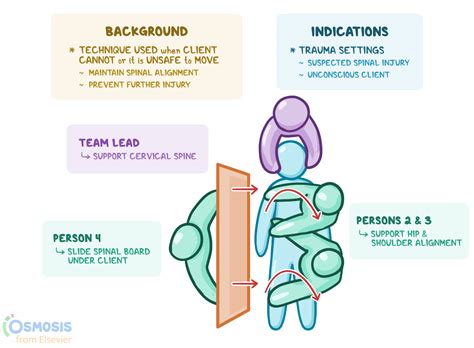
The logrolling technique is meticulous and requires precise coordination. Here’s a detailed step-by-step guide on how to perform it safely.
- Pre-Position Equipment: Lay out the padded slide sheets and spinal board under the patient. Ensure everything is ready before starting the movement.
- Communication: Use clear, concise commands. Assign a team leader to coordinate movements, such as “on three,” to synchronize the effort.
- Kneeling Positions: Team members should kneel at the patient’s sides, ready to move the patient simultaneously. One person may kneel on the opposite side to provide additional support.
- Lifting and Rolling: On the count of three, gently lift the patient using the slide sheets. As they lift, simultaneously roll the patient towards you in one fluid motion. Maintain the alignment of the head, neck, and spine throughout the process.
- Transfer to Spinal Board: Once the patient is in the desired position, carefully transfer them onto the spinal board. Reapply the cervical collar if it was removed during the logroll.
- Securing the Patient: Secure the patient to the spinal board using straps or tape, ensuring all points of contact are padded to prevent any skin breakdown.
Post-Logrolling Care
After successfully completing the logroll, it’s important to follow up with proper care to ensure the patient’s continued safety and comfort.
- Check for any signs of discomfort or injury. Monitor the patient’s vital signs to detect any complications.
- Document the procedure, including the steps taken, any challenges encountered, and the patient’s response. This information is crucial for ongoing care and future reference.
- Ensure that the patient is comfortable and reassess their condition regularly, particularly if they have a spinal injury.
Practical FAQ
What if I don’t have a lift available for logrolling?
While a lift is ideal for logrolling, it is possible to perform the technique without one. Here’s how:
Ensure you have at least four trained healthcare professionals. One person will stand on the opposite side to provide support and help coordinate the roll. Two people should be on each side of the patient, positioned ready to lift and roll as one unit. Communicate clearly and lift the patient using padded slide sheets as you roll them together in one fluid motion. Always prioritize maintaining spinal alignment to prevent any additional injury.
What are the signs that logrolling was not performed correctly?
Misalignment of the spine during logrolling can lead to significant complications, including worsened spinal injuries. Here’s what to look out for:
- Patient discomfort: If the patient experiences sharp pain during or after the logroll, it may indicate misalignment.
- Visible misalignment: If the patient’s spine appears crooked or the head, neck, and spine are not in a straight line, the technique was not performed correctly.
- Unexplained numbness or tingling: New or worsening numbness or tingling after the logroll may indicate spinal damage.
If any of these signs are present, seek immediate medical attention and repeat the logrolling process with extra care and precision.
By following this guide, healthcare professionals will be equipped with the knowledge and skills needed to perform logrolling safely and effectively. This step-by-step guidance, combined with practical tips and a focus on problem-solving, ensures that you can address the unique needs of each patient with confidence and care.