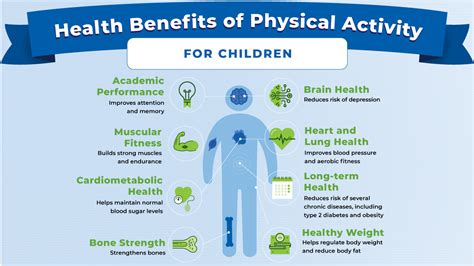
Physical health is a critical component of overall well-being, and understanding its three essential characteristics can provide profound insights into maintaining and improving your quality of life. Here, we delve into the core elements that contribute to optimal physical health, supported by evidence-based statements and practical examples.
Key insights box:
Key Insights
- Regular physical activity is the cornerstone for maintaining good physical health.
- Balanced nutrition plays a crucial role in sustaining the body’s physiological functions.
- Adequate sleep is vital for recovery and maintaining a robust immune system.
Physical health relies heavily on three key characteristics: consistency in exercise, balanced nutrition, and adequate sleep. Let’s analyze each of these components and understand their significance through real-world applications.
Consistency in Exercise
Exercise is an integral aspect of physical health that must not be overlooked. Regular physical activity not only strengthens muscles and bones but also enhances cardiovascular health, boosts mood, and reduces the risk of chronic diseases. The Centers for Disease Control and Prevention (CDC) recommends at least 150 minutes of moderate-intensity aerobic activity per week for adults, which can include walking, swimming, or cycling. For example, a professional athlete who integrates advanced training regimens into their daily routine demonstrates a commitment to maintaining peak physical condition, which is crucial not just for performance but for longevity and quality of life. Incorporating varied workouts, such as resistance training, flexibility exercises, and cardiovascular workouts, further ensures comprehensive physical fitness.Balanced Nutrition
Balanced nutrition is fundamental for sustaining the body’s physiological functions. A well-rounded diet includes a mix of macronutrients—carbohydrates, proteins, and fats—as well as essential micronutrients like vitamins and minerals. For instance, an individual following a Mediterranean diet, which is rich in fruits, vegetables, whole grains, lean meats, and healthy fats, has been shown to reduce the risk of heart disease and diabetes. Real-world applications include meal prepping and mindful eating strategies, where one takes time to savor each meal and listen to their body’s hunger cues. This approach not only aids in maintaining a healthy weight but also promotes overall well-being.Adequate Sleep
Adequate sleep is often underrated but is paramount for physical health. Sleep allows the body to recover from daily wear and tear, repair tissues, and support immune function. The National Sleep Foundation recommends 7-9 hours of sleep per night for most adults. An individual who practices good sleep hygiene, such as maintaining a consistent sleep schedule, creating a restful environment, and avoiding stimulants before bedtime, experiences improved cognitive function, mood stability, and physical health outcomes. For example, a study published in the journal “Sleep” highlighted that individuals who maintain regular sleep patterns had lower incidences of cardiovascular diseases compared to those who do not.What are some signs of poor physical health?
Signs of poor physical health can include unexplained fatigue, frequent illness, muscle weakness, persistent headaches, and changes in weight without changes in diet or activity level. It's important to consult a healthcare provider if these symptoms persist.
How can one improve physical health over time?
Improving physical health over time involves gradual changes in lifestyle. Start by incorporating short walks into your daily routine, gradually increasing the duration and intensity. Adopt a balanced diet with a variety of nutrient-rich foods. Prioritize sleep hygiene practices to ensure adequate rest each night. Consistency and patience are key to long-term improvement.
In conclusion, physical health is foundational to a fulfilling and active life. By focusing on consistent exercise, balanced nutrition, and adequate sleep, individuals can significantly enhance their physical well-being, supported by evidence-based practices and real-world examples. These characteristics, when adhered to consistently, pave the way for a healthier, more resilient body and mind.