Exploring the Future of Data-Driven Healthcare
The future of healthcare is rapidly transforming, driven by the influx of big data and analytics. In an era where precision and efficiency are paramount, healthcare institutions are leveraging data-driven approaches to improve patient outcomes, streamline operations, and reduce costs. This article delves into the pivotal changes brought by data analytics in healthcare, examining key insights and practical applications with a focus on actionable recommendations.
Key Insights
- Healthcare data analytics enhances decision-making processes, leading to personalized patient care.
- Data integration across various platforms is crucial for comprehensive patient management.
- Implementing robust data governance frameworks is essential to ensure compliance and data integrity.
In-depth Analysis: The Impact of Data Analytics on Patient Care
Healthcare data analytics is reshaping patient care by enabling more personalized and efficient treatment plans. Utilizing patient data, healthcare providers can anticipate health trends, tailor interventions, and even predict potential health crises before they manifest. For instance, machine learning algorithms can analyze vast amounts of electronic health records (EHR) to identify patterns that correlate with specific health conditions. By predicting these conditions early, medical professionals can intervene preemptively, improving patient outcomes and reducing the overall burden on healthcare systems.
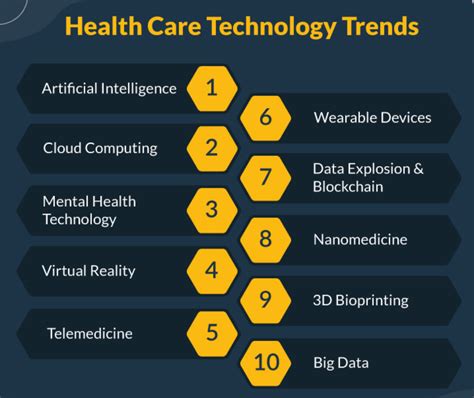
Moreover, data analytics plays a vital role in managing chronic diseases. Continuous monitoring and data analysis from wearable devices help in tracking patients’ health metrics in real-time. This not only facilitates timely interventions but also empowers patients to take an active role in managing their health. For example, companies like Fitbit have integrated analytics to help users understand their health metrics and lifestyle choices, thereby enhancing their overall well-being.
In-depth Analysis: Operational Efficiency through Data-Driven Decision Making
Operational efficiency in healthcare is significantly enhanced through data-driven decision making. Hospitals and clinics that embrace data analytics can optimize their resource allocation, streamline workflows, and improve patient throughput. An illustrative case is the use of predictive analytics in scheduling and staffing. By analyzing historical data on patient admissions and peak hours, healthcare facilities can adjust their staffing levels accordingly, reducing bottlenecks and ensuring that patients receive timely care.
Additionally, data analytics allows for the identification of inefficiencies and areas for improvement in day-to-day operations. For example, by using analytics to monitor supply chain processes, healthcare institutions can reduce wastage and ensure that essential medical supplies are always available. Real-time data dashboards provide actionable insights, enabling administrators to make informed decisions that lead to smoother operations and better patient satisfaction.
FAQ Section
How is data integration crucial in healthcare?
Data integration across various platforms is crucial in healthcare for providing a comprehensive view of patient health. By integrating data from EHRs, laboratory results, and wearable devices, healthcare providers can gain holistic insights, leading to more accurate diagnoses and effective treatment plans.
What are the benefits of implementing data governance frameworks?
Implementing robust data governance frameworks ensures compliance with regulatory standards and maintains data integrity. This is essential for safeguarding patient privacy and securing sensitive health information, which in turn builds trust among patients and stakeholders.
Data analytics is undeniably revolutionizing healthcare, offering innovative ways to enhance patient care and operational efficiency. By integrating data-driven insights into decision-making processes, healthcare providers can deliver more personalized and effective care, leading to improved health outcomes. The future, therefore, holds immense potential for data-driven advancements in the healthcare sector.