Understanding ACH in Healthcare: A Comprehensive Insight
ACH (Automated Clearing House) plays a vital role in the modern healthcare system, streamlining financial transactions and fostering a smoother operational environment. In the healthcare industry, ACH refers to the electronic network that processes transactions between financial institutions. This network handles a variety of transactions, including payroll, direct deposits, tax refunds, and bill payments. Its significance in the healthcare sector lies in its ability to manage large volumes of routine financial activities efficiently.
This article delves into the practical applications of ACH in healthcare, offering evidence-based insights and real-world examples. We will also explore its key benefits and technical considerations, providing an actionable roadmap for healthcare providers to leverage this powerful tool.
Key Insights
- ACH enhances efficiency and accuracy in processing payments and reimbursements.
- Security and compliance with federal regulations are critical technical considerations.
- Healthcare providers can implement ACH to reduce administrative burden and improve cash flow.
The Role of ACH in Payment Processing
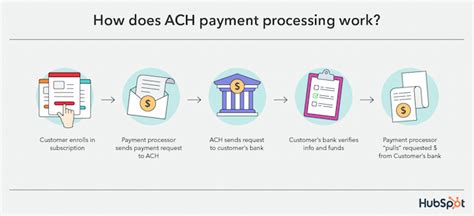
The implementation of ACH in healthcare payment processing has transformed the landscape of financial transactions. With the increasing complexity of billing and the necessity for precise financial record-keeping, ACH offers a robust alternative to traditional paper checks. For instance, healthcare providers can use ACH to receive payments from insurance companies and patients, ensuring timely and accurate reimbursements. This method significantly reduces the administrative workload related to processing checks, thereby freeing up valuable resources.
ACH transactions are initiated through a secure network of financial institutions, ensuring that the sensitive financial data of patients and healthcare providers is protected. Moreover, ACH systems are designed to handle the high volume of transactions typical in the healthcare industry, providing a reliable and scalable solution.
Benefits of ACH for Healthcare Providers
The benefits of integrating ACH into the financial operations of healthcare providers are manifold. One of the primary advantages is the improvement in cash flow management. By using ACH for direct deposits and payments, healthcare providers can receive funds more quickly and with greater reliability than through paper checks. This results in enhanced cash flow, allowing for better financial planning and more efficient operations.
Furthermore, ACH reduces the chances of errors that can occur with manual payment processing. Electronic transactions are more precise, which means fewer disputes and delays in payment processing. This precision also contributes to improved compliance with federal regulations, such as HIPAA, by ensuring that all financial transactions are recorded accurately and securely.
Technical Considerations in ACH Implementation
While the benefits of ACH in healthcare are clear, several technical considerations must be addressed to ensure effective implementation. One of the foremost concerns is maintaining the highest levels of security to protect sensitive financial data. ACH transactions involve the transmission of personal and financial information, which makes robust cybersecurity measures essential.
Compliance with federal regulations, such as the Bank Secrecy Act and the Electronic Fund Transfer Act, is another critical technical consideration. Healthcare providers must adhere to these regulations to avoid legal repercussions and to maintain patient trust. This includes implementing appropriate security protocols, conducting regular audits, and ensuring that all staff involved in financial transactions are adequately trained on compliance and security standards.
FAQ Section
Can small healthcare practices benefit from ACH?
Absolutely. Small healthcare practices can significantly benefit from ACH by reducing administrative costs and improving cash flow. ACH systems are scalable, making them suitable for practices of any size.
What are the main challenges in implementing ACH?
The main challenges include ensuring robust cybersecurity measures and maintaining compliance with federal regulations. Initial setup and integration costs can also be a factor, though the long-term benefits typically outweigh these costs.
In conclusion, ACH offers a transformative solution for healthcare financial operations. By streamlining payment processing, improving cash flow, and enhancing compliance, ACH supports the efficiency and effectiveness of healthcare providers. Addressing technical considerations around security and compliance will ensure that the implementation is both effective and secure. For healthcare providers looking to improve their financial processes, ACH is an invaluable tool.